
Who we serve
Yeastar phone systems for municipalities
For a town office, a public works yard, a library and an arena, the phone system is three things at once: the way the public reaches the town, the path for the fire panel and the after-hours line, and a procurement question with a rubric. A Yeastar P-Series answers all three: staff get Microsoft Teams, the circuits stay in the building, and the service levels are written down in a form procurement can score. In the public sector a written SLA is not a differentiator; it is a requirement to bid. Ours is on the page.
By Dar Zuch, Yeastar Certified Expert · Last reviewed 4 November 2026

Teams for the people, the appliance for the circuits
Several larger Alberta municipalities have moved telephony into Microsoft Teams Phone outright. For a town with a few buildings, the question is usually not Teams or not, but what Teams Phone does not carry well:
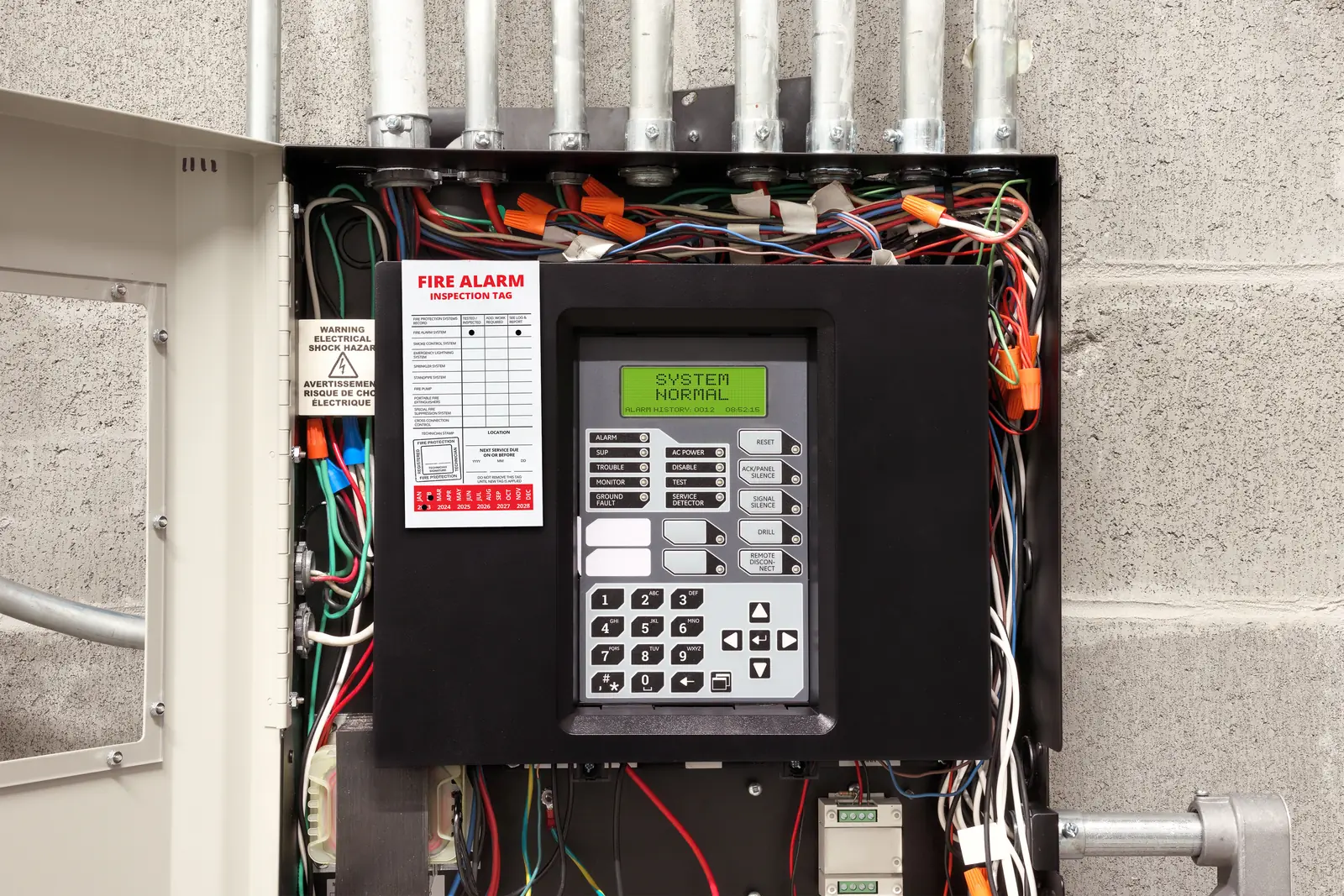
- The fire panel’s telephone path and the alarm dialler
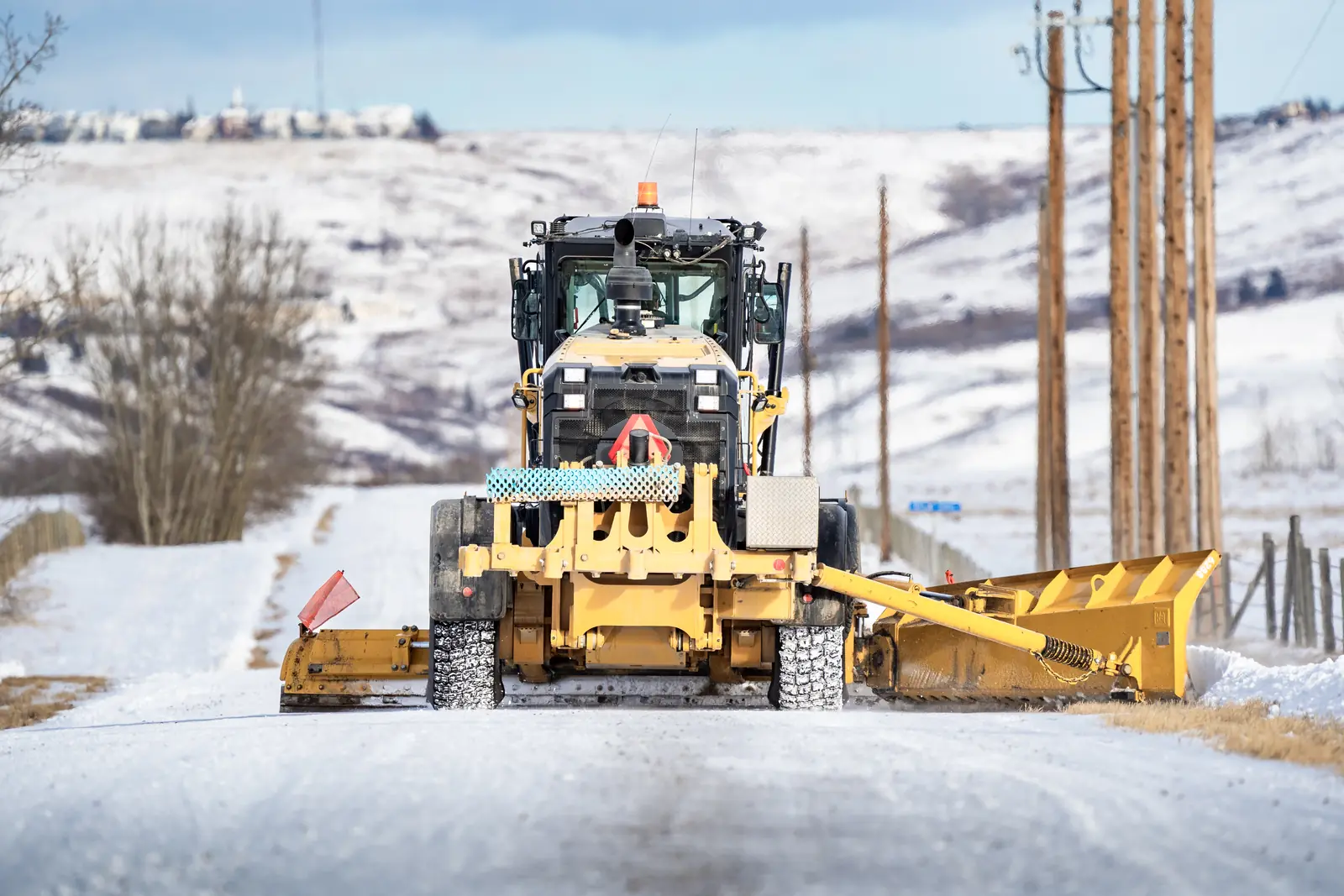
- The after-hours public works line that has to be answered in a January storm
- The arena, the pool and the elevator phone at the seniors’ centre
- The emergency operations room, which has to work when the internet does not
The pattern we recommend: staff use Teams, with calls inside Teams through the Yeastar integration and no Teams Phone licence per user; the appliance carries the analog and safety circuits on its own ports and keeps internal calling, paging and those circuits running through an outage. The comparison is on the Teams page. If a town has nothing analog and no safety circuits, Teams Phone alone may be the simpler answer, and we will say so.
Service levels, the way procurement reads them
Severity is defined, response is committed, escalation is automatic by elapsed time, and the whole table is lifted from the agreements, not written for the web page.
| Fully Managed | Support | |
|---|---|---|
| P1 — Critical (total loss, any 911 failure, any life-safety circuit down, administration unable to answer) | 15 min response, 24/7; on site 4 h; restoration target 8 h | 30 min response, 24/7; on site same day |
| P2 — Major (a gateway down, a trunk group degraded, voicemail down) | 1 h business hours, 2 h otherwise; on site next business day | 2 h business hours, 4 h otherwise; on site next business day |
| P3 — Minor (single station or user) | 4 business hours | 1 business day |
| P4 — Request (moves, adds, changes, reports) | 1 business day | 2 business days |
| Service credits for a missed response | Yes: 10% of a month’s fee for P1, 5% P2, 2% P3/P4, capped | No; committed response at a preferred rate |
| Escalation | Level 1 support desk on report; level 2 senior technician at 30 min (P1); level 3 the Operating Partner at 2 h | Level 2 at 1 h; level 3 at 4 h |
| Monthly reporting | Faults, response achieved, work done, what should be fixed before it fails | Same |
Anything involving 911 or a life-safety circuit is P1 automatically. P1 and P2 are reported by telephone; an email does not start the clock. The overnight response is backed by a named on-call roster, not a voicemail box.
No uptime percentage, deliberately. A vendor who does not own the carrier network, the building wiring and the power cannot honestly warrant availability. We commit to the part we control, and the Fully Managed tier backs it with money.
Business continuity
- Configuration backed up off site under both agreements, with history, and a restore that is tested rather than assumed.
- An annual test of every emergency-calling and life-safety circuit, documented with a certificate council can be shown.
- An inventory of every device and line, and which room connects to which port. Most buildings have no such record.
- Hot standby available for the sites where a failure is an incident.
- A written exit: backups, documentation, port map and credentials within 30 days.
Emergency calling, stated honestly
A 911 call from a building we maintain carries dispatchable location at the building level. It does not today carry a room or office. We say so because a municipality will ask, and a vendor who implied otherwise has a much harder conversation later. What we do provide: annual testing of every emergency-calling path, notification to administration when 911 is dialled from an extension, a written record of where each circuit terminates, and honest advice on what room-level location would take.
Privacy and records
A telephony vendor sits close to records a public body is responsible for: call detail, voicemail, recordings where they exist. Our practice, which we will put into the municipality’s own schedules:
- We do not record or monitor calls unless the municipality asks for it and configures it.
- Call detail records are the municipality’s; we hold them only as needed to deliver service.
- The systems we recommend to a municipality run on premises, in the municipality’s own buildings. Where a hosted service fits, such as Tribe for a small office, it runs in Canada, on Amazon Web Services’ Canada West region in Calgary, and the agreement names the region.
- Access to municipal systems is named, logged and revocable.
- We sign the municipality’s information-management and confidentiality schedules.
Procurement
We respond to RFPs with a capability statement that carries the service-level table above, the escalation matrix, the continuity commitments, insurance certificates and references. If your town is on Alberta Purchasing Connection or a bid portal, the statement is built to be scored against a rubric rather than admired.
The Health Check
For a municipality the Health Check is often the first deliverable, because it produces the inventory and the deficiency list that procurement wants before anyone signs. $1,500 for a single building, $2,500 for a multi-building municipality. Fixed, with a report whether or not the town proceeds with us.
Frequently asked questions
We are mid-way through a Teams Phone project.
Then the useful conversation is about the circuits Teams does not carry: the fire panel, the arena, the after-hours line. An appliance for those, Teams for everyone else.
Can you meet a $5M general liability requirement?
We carry commercial general liability and errors-and-omissions coverage; current certificates and limits are provided with any bid.
Where is the configuration stored?
In the building, on the appliance, and backed up off site in Canada with history.
Is the Software Edition an option for a county with its own servers?
Yes, and it is often the right one: the same system on a virtual machine the county controls, with disaster recovery across two servers.
What about FOIP?
Alberta’s access-and-privacy framework has been changing. We describe our practice above rather than cite a section, and we will meet the schedule your clerk provides.
Service levels from North Star Telecom’s Support and Fully Managed agreements as summarised in its municipal capability statement; the agreement governs. Yeastar government deployments referenced from Yeastar’s public case studies.
Start with a Telephony Health Check
A fixed-fee review of what you have, what 911 does, whether the life-safety circuits work, and where the money leaks. $1,500 for a single site, $2,500 for a campus, plus GST, with a written report either way.
or call (403) 698-0700